
Understanding the Scientific Evidence
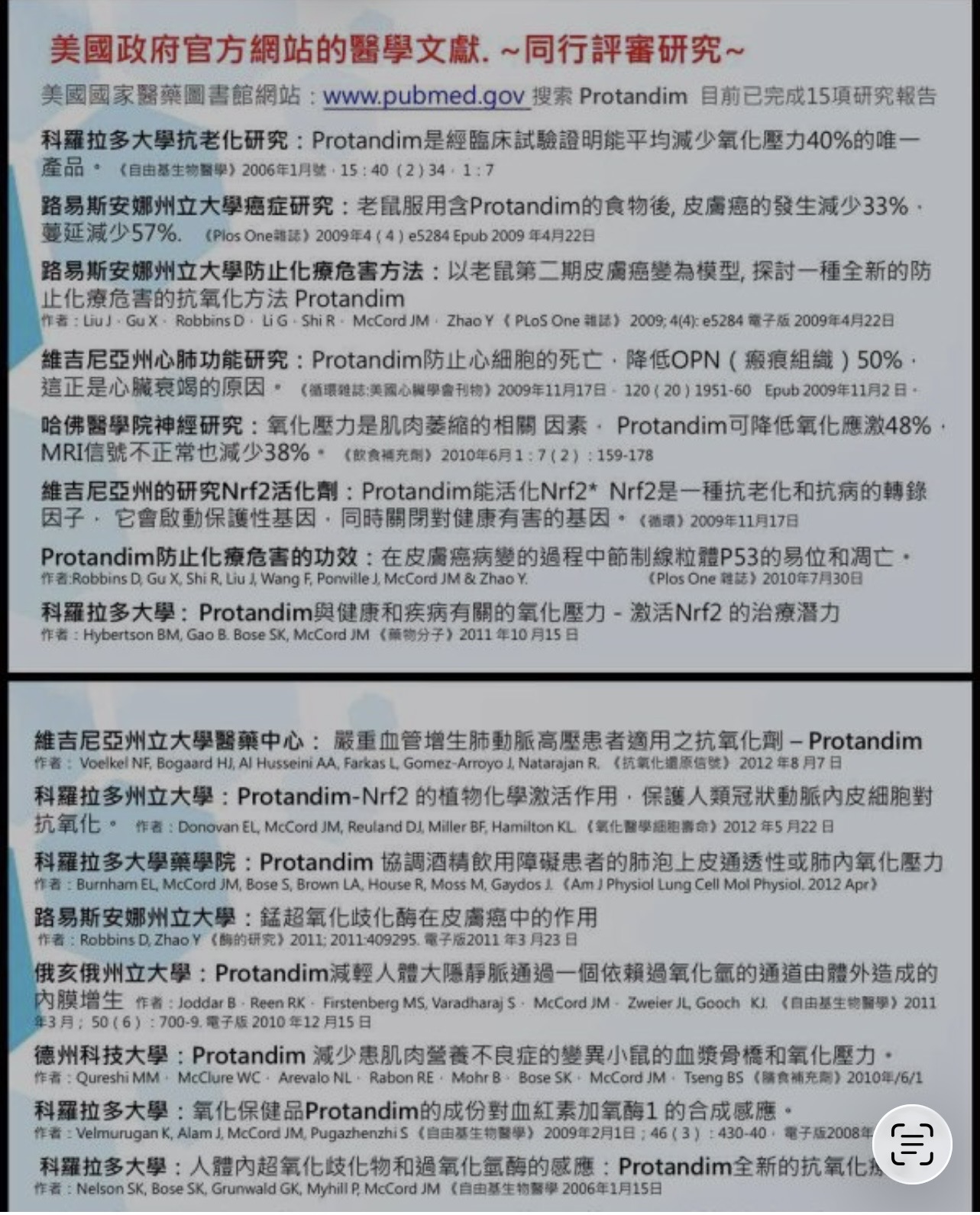
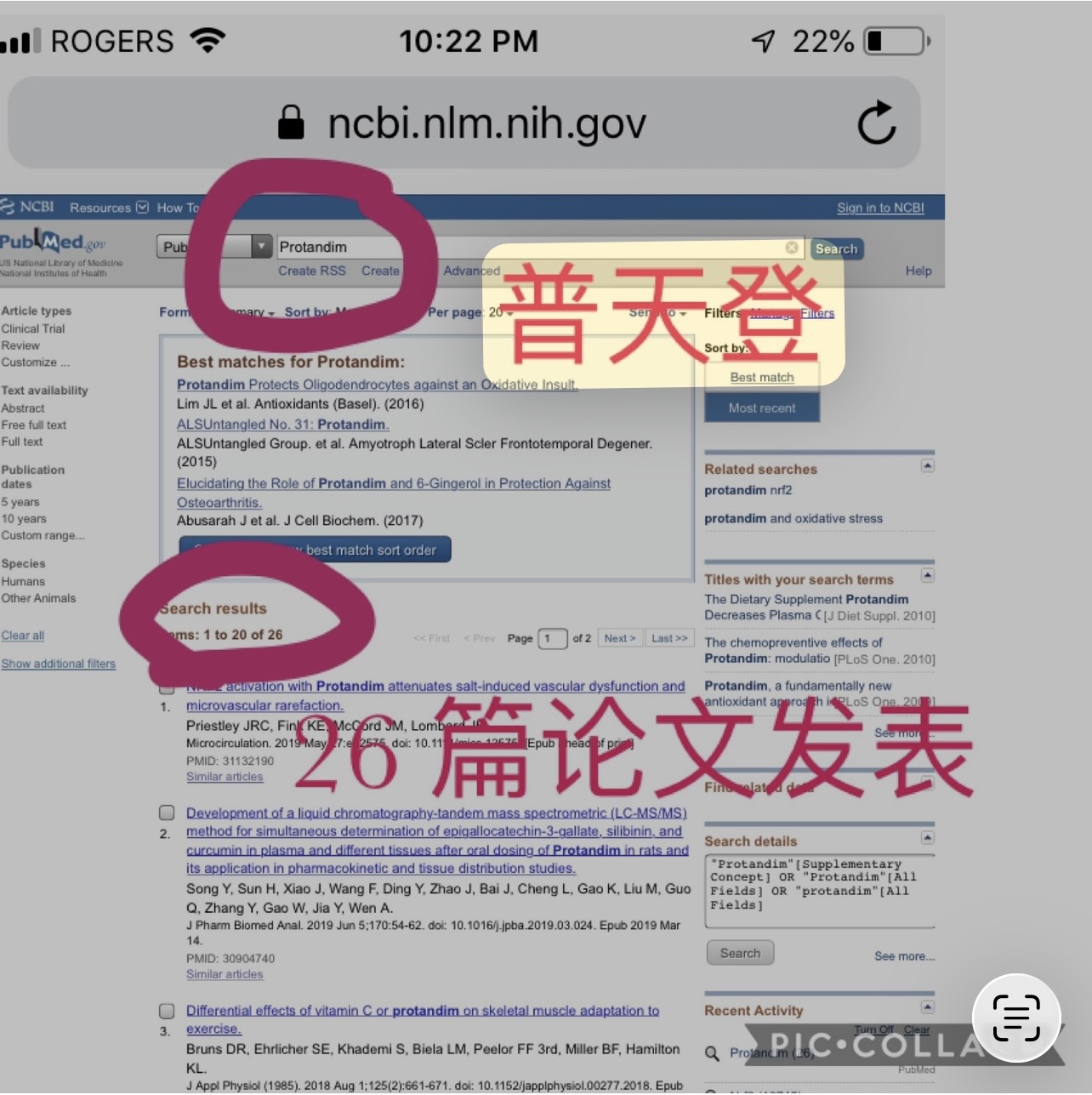
PubMed-indexed paper from the U.S. National Library of Medicine
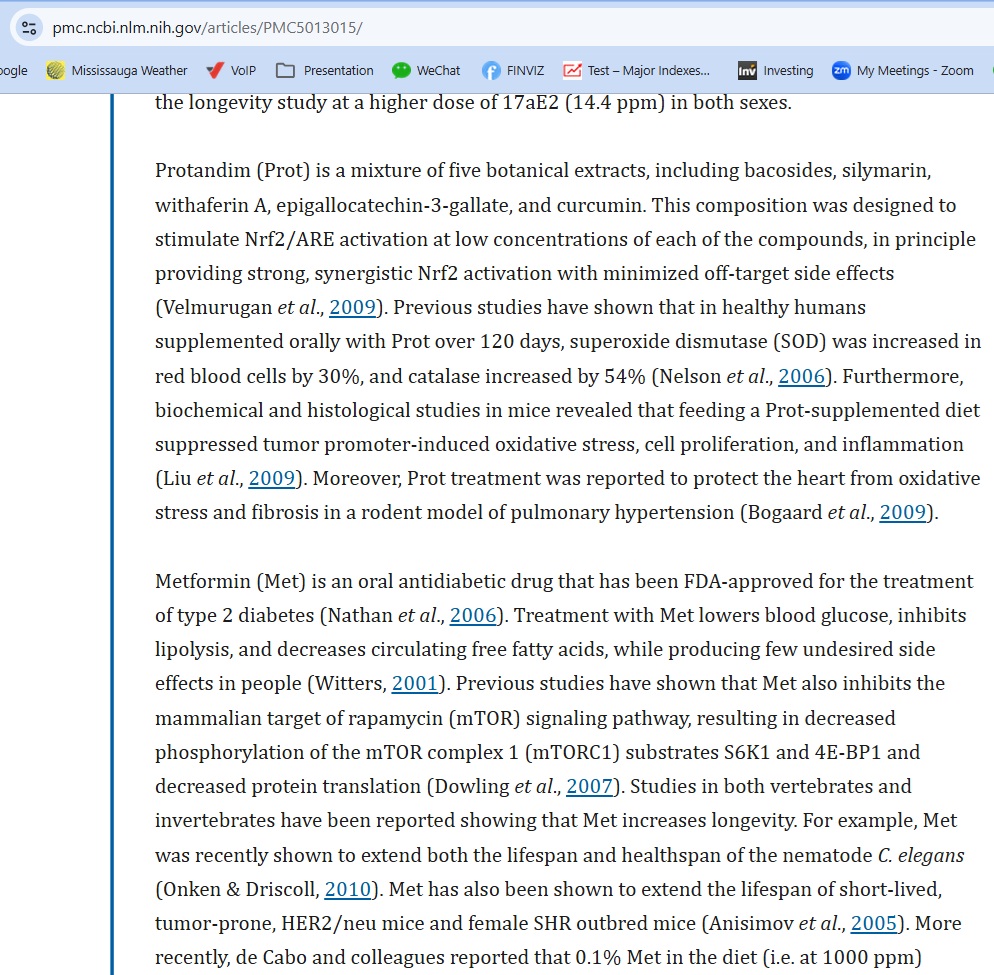
“Male Lifespan Extension With 17-α Estradiol, Antioxidant, α-Glucosidase Inhibitor or Nrf2-Inducer Treatment”
This research was conducted through the National Institute on Aging’s Interventions Testing Program (ITP), which evaluates whether selected compounds influence lifespan and healthy aging in genetically heterogeneous mice.
1️⃣ Several interventions extended lifespan in male mice
The study evaluated several types of compounds, including:
- Weak estrogen agonists, including 17α-estradiol
- Antioxidant compounds, including NDGA
- α-glucosidase inhibitors, including acarbose
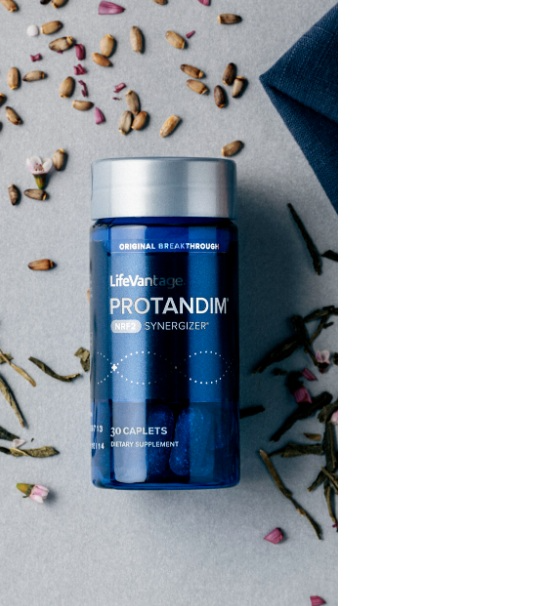
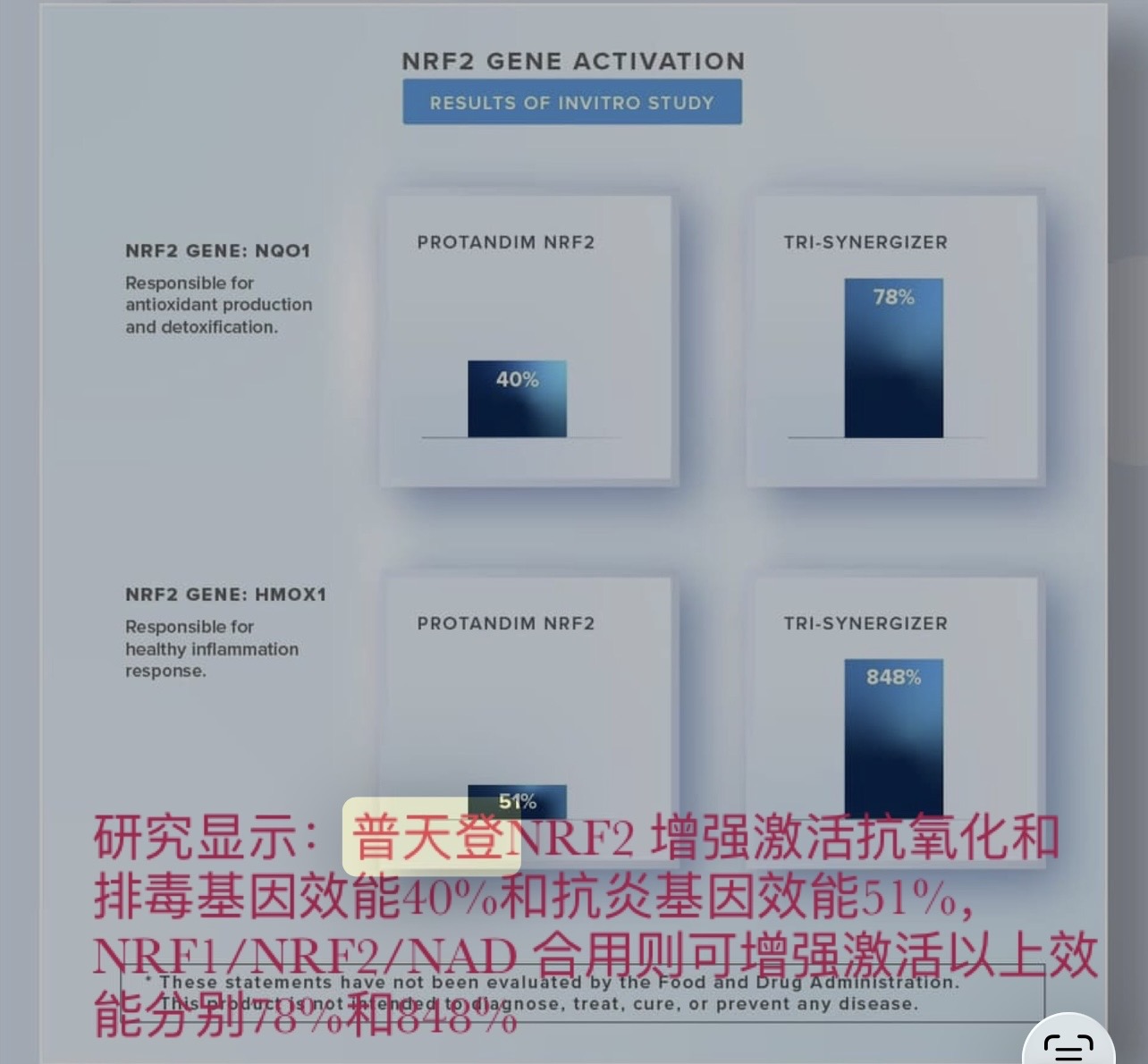
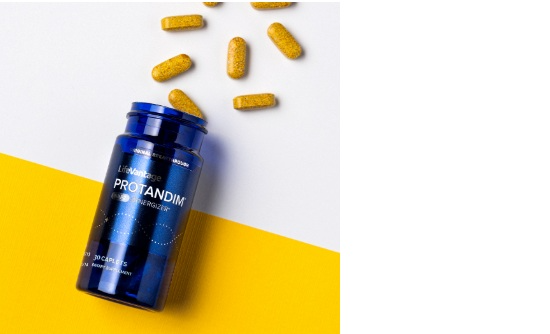
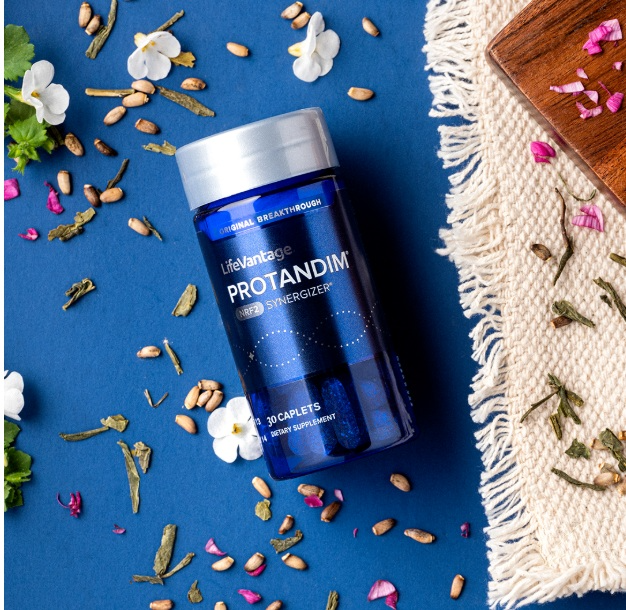
- An Nrf2 inducer: Protandim
Several interventions produced stronger or statistically significant effects in male mice, while effects in female mice were smaller or not statistically significant.
2️⃣ Protandim was studied as an Nrf2-inducing intervention
The researchers reported that:
- Protandim is a dietary supplement composed of botanical extracts.
- Treatment was associated with an increase in median lifespan in male mice in this animal model.
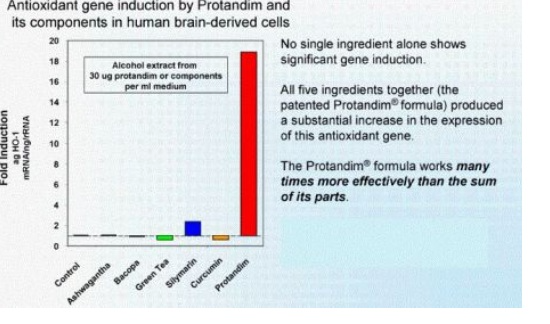
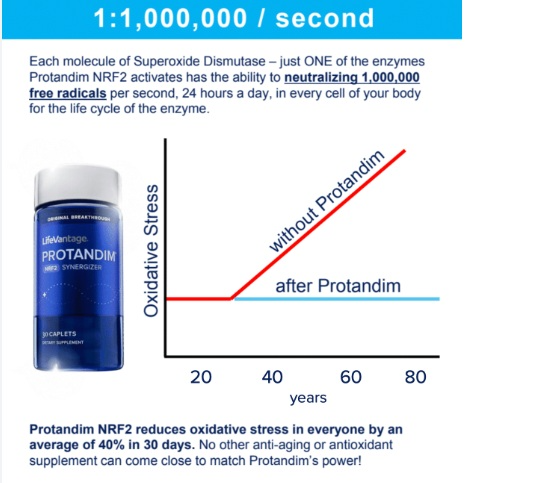
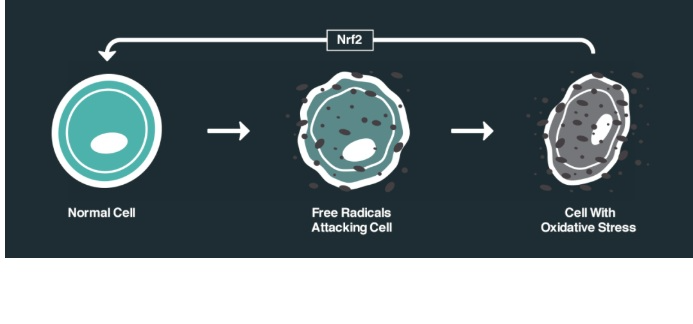
Nrf2 is a signaling pathway involved in regulating cellular antioxidant responses and defenses against stress.
3️⃣ Acarbose produced notable results
The findings also support continued research into the relationship between glucose regulation, metabolism, and aging.
4️⃣ Sex differences were important
- Several reported benefits were stronger or statistically significant only in male mice.
- The reasons may involve hormonal or metabolic differences, but the mechanisms are not fully understood.
A central takeaway from the research is that several biological pathways may influence aging.
Nrf2-related cellular defenses and metabolic regulation remain important areas of longevity research.
Research Summary
This animal study suggests that interventions affecting Nrf2 signaling, oxidative-stress responses, and metabolism may influence lifespan in mice. These results do not establish that Protandim extends lifespan in humans.
In the reported experiment, Protandim treatment beginning when mice were approximately 10 months old was associated with about a 7% increase in median lifespan in males. The reported increase in females was about 3% and was not statistically significant.
The researchers discussed Nrf2 activation as a possible mechanism because Nrf2 helps regulate endogenous antioxidant and detoxification responses. Further research is required to clarify the mechanism, appropriate dosing, timing, and relevance to human health.
The study also evaluated several other interventions:
- Fish oil and green tea extract did not extend lifespan in the tested conditions; high-dose fish oil showed an unfavorable trend.
- 17α-estradiol extended lifespan in male mice at the tested dose.
- NDGA showed a lifespan effect in male mice but not female mice.
- Metformin alone did not extend lifespan at the tested dose, although a metformin-and-rapamycin combination produced different results in related ITP research.
- Acarbose extended lifespan, with a larger effect in male mice.
Earlier ITP work also studied aspirin, which produced a lifespan effect in male mice under specific experimental conditions. Any potential clinical use of these compounds must account for risks, side effects, and the difference between animal and human evidence.
Overall, this study provides evidence that Protandim influenced median lifespan in male mice under the tested conditions. It supports further investigation of Nrf2 and endogenous cellular-defense pathways, but it should not be interpreted as proof of anti-aging or disease-treatment benefits in people.
Read the full NIH/PubMed Central study:
Male Lifespan Extension With 17-α Estradiol, Antioxidant, α-Glucosidase Inhibitor or Nrf2-Inducer Treatment